The Internet of Things in Supply Chain: Real Time Visibility and Smarter Decisions
The Internet of Things is changing how freight is monitored, managed and maintained. Instead of relying on manual checks and end of day reports, connected sensors on vehicles, trailers, pallets and containers stream live data into a single view. This gives planners, drivers and customers the same truth about where goods are, what condition they are in, and when they will arrive. The impact is lower spoilage, fewer service failures, better asset use and faster decisions.
What IoT actually is
IoT in supply chain is a layer of small devices and software that report status in real time. Typical components include:
- GPS trackers that send live location, speed and route progress
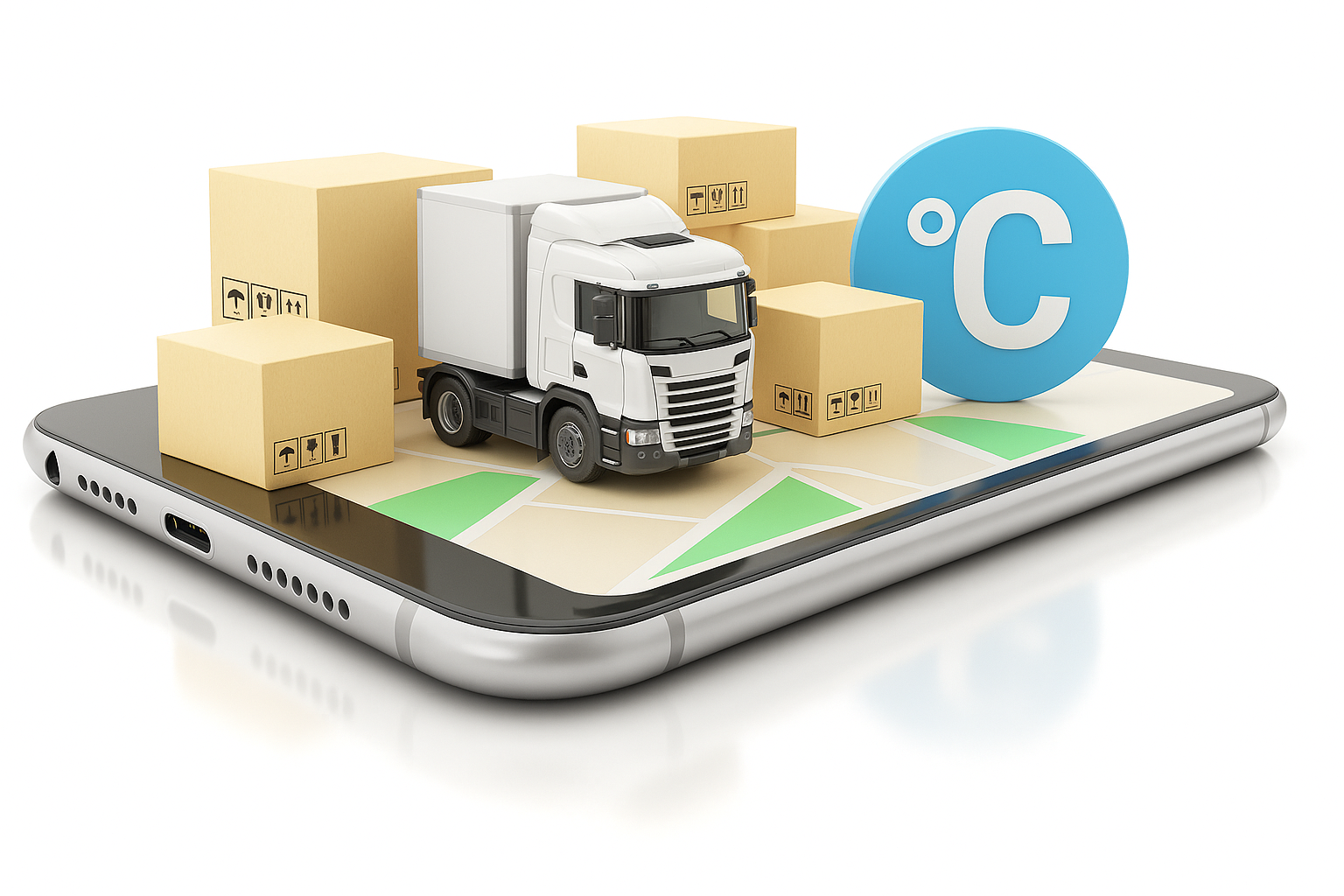
- Temperature and humidity sensors for cold chain and sensitive cargo
- Telematics gateways on tractors and trailers for fuel use, driver hours and faults
- Door, vibration and shock sensors for chain of custody and damage prevention
- Maintenance trackers that record running hours and trigger service tasks
Data flows into a platform where alerts, dashboards and automated workflows guide action. The best programs connect this feed to transport management systems, customer portals and finance so that events in the field update plans and promises without delay.
Where IoT delivers value
Temperature monitoring for cold chain compliance
Food and pharma customers expect proof that product stayed within limits from pickup to delivery. Wireless probes log temperature and humidity every few minutes and push alerts if limits are reached. Dispatchers can call the driver to adjust set points or divert to a cross dock before product spoils. Automatic compliance reports then attach to the proof of delivery, which shortens disputes and credits. For milk, dairy and fresh produce runs this alone can repay the hardware cost in a single season.
Real time ETA and driver analytics
Live location, road speed and traffic data allow the system to recalculate ETA through the day. Customers see updated arrival windows without phoning the control room. Driver analytics flag harsh events, excessive idle and unsafe behaviour so managers can coach and reward the right habits. The result is safer work, better fuel performance and fewer missed windows at distribution centres.
Pallet level tracking in fast moving consumer goods
Smart tags and readers can follow high value or short shelf life pallets from plant to store. Each scan updates the record so planners know what is on each vehicle and exactly where it was last handled. This closes gaps in mixed networks that use both primary and last mile carriers. It also makes recall and product rotation faster because inventory can be found by lot, by time and by location within minutes.
Port logistics and dwell time reduction
Gate queues and yard searches waste money. Container devices and geofences tell dispatchers when a box enters a terminal, is available, is loaded, and exits the gate. Alerts feed into slot booking and staging plans so tractors arrive only when needed. Turn times fall, demurrage and detention drop, and weekend sweeps become rare exceptions rather than routine.
Case snapshots
- Chilled distribution with live alerts: A regional dairy uses trailer sensors and automated set point checks on metro milk runs. When a unit drifts outside range the dispatcher receives a text, the driver resets the controller and the system logs the fix. Product losses fell and credit claims eased within the first quarter.
- FMCG pallet tracking: A beverage network added tags to promotional pallets moving through third party depots. Stock accuracy improved, lost pallets dropped and the team could target reuse rather than buying new timber.
- Port dwell time: An import program used container devices and yard geofences to trigger pick ups only when boxes cleared customs. Tractor hours fell and the team avoided most detention charges during peak season.
Common challenges to plan for
- Integration: Bringing device data into the transport system, the warehouse system and customer portals is the real unlock. Use open APIs, a clear data model and a single master view.
- Data overload: Thousands of pings do not equal insight. Start with a small set of useful alerts such as temperature limit, door open when stationary, off route and late to next stop. Add more once teams are confident.
- Security and governance: Protect devices and feeds with authentication and regular updates. Decide who can see what, how long you keep data, and how you share evidence with customers and regulators.
- Change management: Train drivers and planners on why the system helps them. Celebrate early wins so adoption sticks.
How JPS Consulting & Advisory helps
We help clients connect IoT data to real decisions. Our team maps your network, selects the right devices for the job and designs a platform view that combines temperature, GPS, telematics and maintenance. We then link it to your planning and customer systems so that alerts trigger action. For cold chain fleets we build compliance reports and live route heat maps. For import and export programs we add container and yard visibility to cut dwell time and fees. Finally, we set up dashboards for executives and supervisors so results are tracked by lane, by customer and by asset.
Contact us for a consultation
Explore our services
Key take away
IoT is not just visibility. It is the foundation for the next wave of supply chain efficiency. Live data replaces guesswork, exceptions are handled before they become failures, and teams make better calls with less effort. The result is lower cost, higher service and a cleaner footprint across the network.