
The Changing Face of Freight: Shared Networks, Aggregated Loads and Collaborative Delivery
As freight demand and sustainability pressures intensify, traditional one shipper per truck models are reaching their limits. Studies show that 58 per cent of truckloads moved partially empty in 2024, leaving a third of trailer space unused. Rising fuel costs, labour shortages and ESG expectations mean that freight operators can no longer afford inefficiency. Collaborative transport networks now offer a smarter way forward — pooling loads and sharing capacity to cut costs and emissions while improving service.
What Shared Networks and Aggregated Loads Mean
Collaborative logistics brings competitors together to plan, execute and optimise transport. Instead of each business running isolated fleets, partners share trucks, trailers and information systems. This can include combining loads from different shippers, filling return journeys through backhaul agreements, or using digital platforms to match supply and demand in real time. By pooling resources, participants enjoy lower per pallet costs, fewer empty kilometres, and reduced environmental impact compared with conventional less than truckload services.
Tangible Benefits: Cost Savings and Carbon Reduction
The business case for shared networks is strong. Operators that maximise vehicle utilisation reduce fuel consumption per tonne mile and earn volume discounts on fuel and maintenance. Consolidating freight also leads to fewer trips and less congestion, while providing greater flexibility for changing customer demand. For instance, Flock Freight’s shared truckload service has helped shippers cut carbon emissions by up to 36 per cent while achieving faster transit times and lower costs.
In another example, Ofload partnered with Noumi to integrate smaller regional carriers into a single digital platform across Australia. The collaboration achieved a 99.9 per cent on time delivery rate, saving thousands in route optimisation and reducing empty running. Similarly, in Europe, the Freight Alliance — a cooperative of 200 carriers, cut empty running by 22 per cent and carbon emissions by 17 per cent through shared backhaul arrangements.
New Technology Driving the Shift
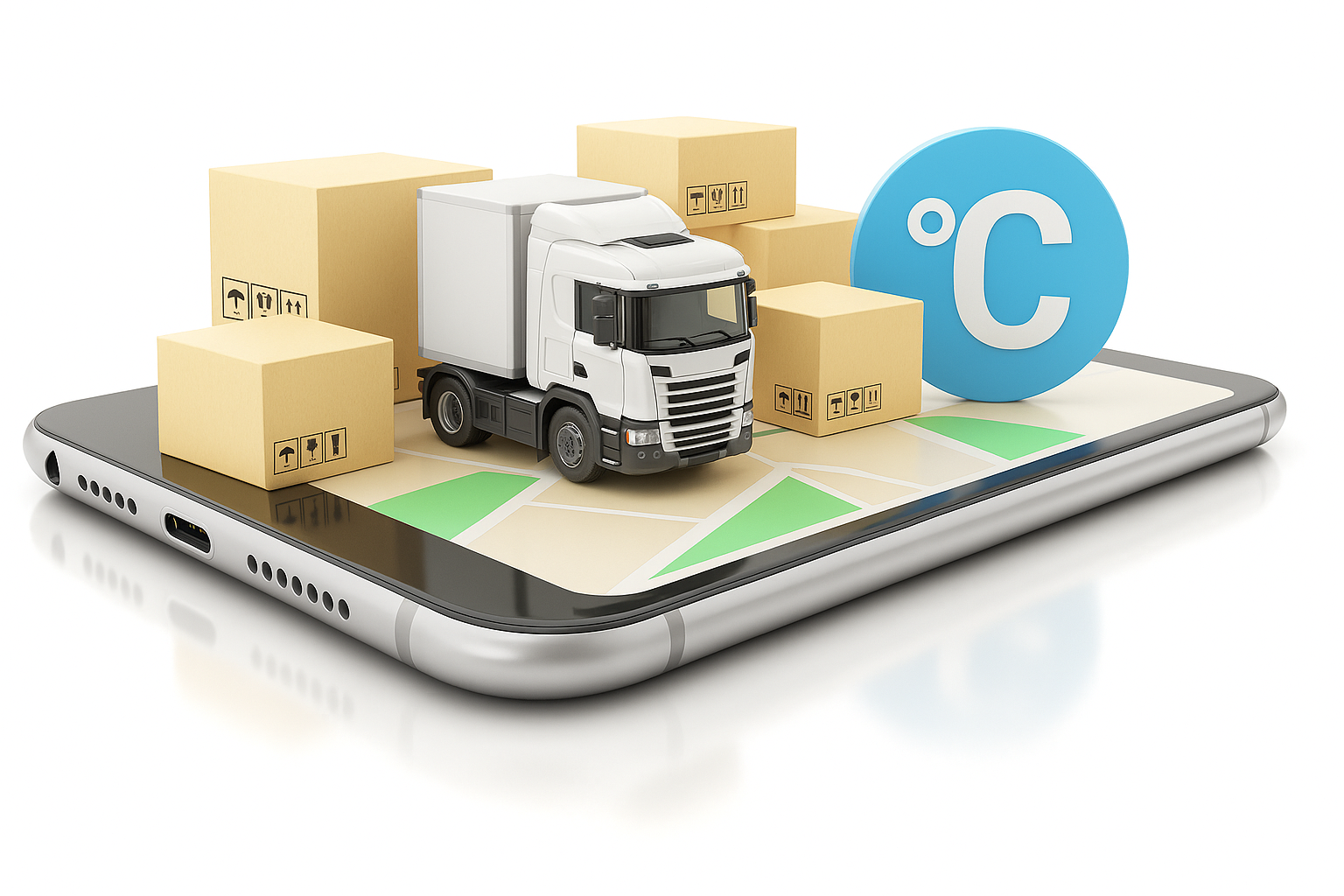
Digital platforms and real time visibility tools are transforming how shared networks operate. Freight tech providers now use AI to match loads dynamically, optimising routes to avoid partial or empty runs. IoT sensors and telematics feed live data on trailer space, temperature, and driver hours, helping dispatchers make instant collaboration decisions. These systems create the transparency and trust needed for businesses to share assets confidently.
Major FMCG and food producers are already leading the transition. At JPS Consulting & Advisory, we’ve seen clients deploy shared fleet strategies across cold chain and ambient freight networks, linking suppliers and customers in regional loops. These models reduce both carbon and cost while keeping delivery frequency high, a win for both sustainability and performance.
Practical Steps and Common Challenges
Implementing a shared network requires planning, trust, and aligned goals. Experts recommend beginning with a compatibility assessment to identify partners that share service standards and sustainability ambitions. Start small, such as combining deliveries on a common route, then scale as data validates the benefits.
Challenges include differing technology systems, data privacy concerns, and contractual risk allocation. However, modern logistics software and secure APIs have largely solved the visibility barrier, allowing shippers to exchange just the data needed for matching and invoicing. A clear governance structure and agreed service metrics keep operations consistent.
Why Collaboration Is the Future
The traditional model of every company running its own trucks is becoming outdated. Between volatile diesel prices, driver shortages, and net zero commitments, the economics simply do not add up. Shared freight models build resilience by improving utilisation and lowering cost per delivery while achieving measurable carbon reductions. For many Australian operators, collaboration is no longer a risk — it’s a competitive advantage.
Partnering with JPS Consulting & Advisory
At JPS Consulting & Advisory, we help carriers, manufacturers, and distributors design and implement shared network strategies. From route modelling and cost benefit analysis to digital platform integration and ESG reporting, our team works with you to turn collaboration into a practical, measurable outcome.
If your business is exploring network optimisation or collaborative logistics, we can help assess your current routes, find aggregation partners, and build the business case for shared efficiency.
Contact us for a consultation
Explore our services
References
- Flock Freight (2024). Shared Truckload Case Study.
- Ofload (2024). Noumi Partnership: Supply Chain Efficiency Across Australia.
- European Freight Alliance (2024). Collaborative Backhaul Results.
- Uber Freight (2024). Reducing Empty Miles Through Digital Matching.
- Clean Energy Finance Corporation (2024). Freight Decarbonisation Report.