The Road to Net Zero: Decarbonising Australia’s Freight Industry
As the pressure to reach net zero intensifies, Australia’s freight and logistics sector stands at a defining crossroads. Transport generates around 19% of national emissions, and heavy road freight contributes a large share. The path to a low carbon future is no longer optional; it is essential for competitiveness, compliance, and customer trust.
At JPS Consulting & Advisory, we’re seeing this shift first hand across the networks we work with, from cold chain fleets to national distribution operations. The challenge is clear: how do we cut carbon while maintaining efficiency, uptime, and profitability?
1. Why Decarbonisation Matters Now
Australia’s freight sector moves more than 900 billion tonne kilometres of goods each year. Diesel dependency makes operators vulnerable to fuel price volatility and tightening ESG expectations from customers, retailers, and investors.
Governments and financiers are responding. The Clean Energy Finance Corporation (CEFC), ARENA, and state-level Future Fuels programs are co-funding pilot fleets, charging and hydrogen refuelling infrastructure, and vehicle retrofits. Major food and beverage manufacturers are setting sustainability targets that now flow directly through their transport partners.
The race is on to move freight in a smarter, cleaner way.
2. Battery Electric Trucks: Powering the Next Generation of Freight
Battery electric vehicles (BEVs) are moving from early pilot programs into genuine commercial adoption across Australia. They deliver strong emission reductions and major operating savings in the right conditions, particularly for metro and inner regional distribution fleets.
Modern BEV trucks use advanced lithium-ion battery packs to power electric drivetrains that are quieter and far more efficient than diesel engines. Regenerative braking recovers energy in stop-start traffic, making BEVs ideally suited to urban delivery and cold chain work that involves frequent loading stops.
For most operators, the key question is cost. Analysis from the Clean Energy Finance Corporation (CEFC) and global OEM data suggests BEVs could reach total cost neutrality with diesel trucks between 2028 and 2032, depending on route length, payload, and electricity pricing, however, there are some applications where cost parity is a NOW proposition. Lower servicing costs, which can be 40 to 60 per cent less than diesel, and the ability to charge using off-peak or renewable power are already narrowing the gap. Rising fuel prices and growing corporate carbon commitments are speeding up this shift.
Applications that are already proving viable include:
- Urban and last mile distribution: predictable routes under 200 kilometres per day, such as supermarket, beverage, and parcel delivery.
- Regional shuttle runs: return to base operations with depot charging at each end, including dairy and refrigerated freight.
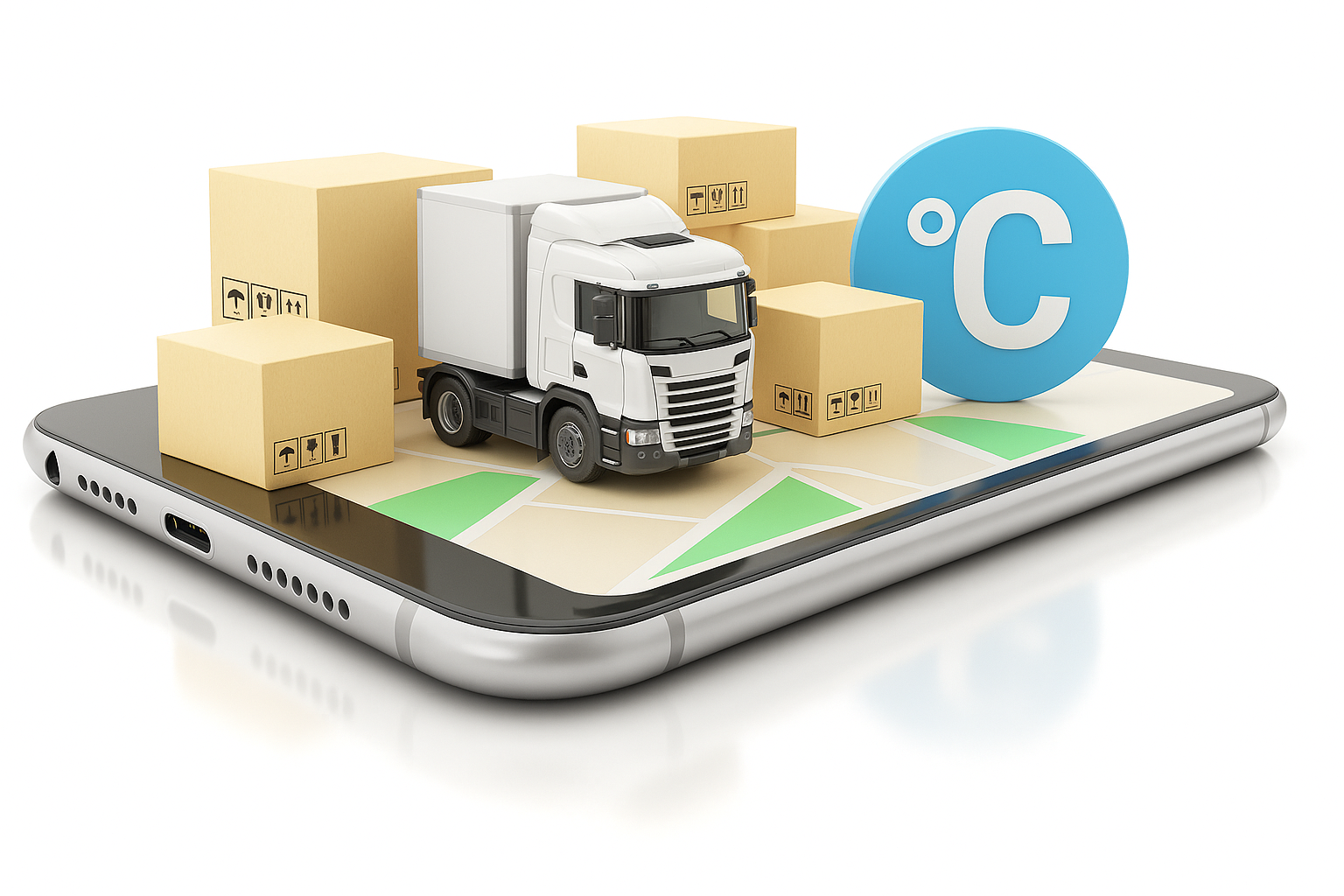
- Cold chain logistics: where integrated electric refrigeration can be powered directly from the truck’s main battery, eliminating diesel auxiliary units.
Manufacturers such as Volvo, Mercedes-Benz, and SEA Electric now offer medium and heavy-duty BEVs with ranges between 200 and 350 kilometres, which cover most urban and regional tasks. Charging infrastructure is also growing rapidly through projects supported by ARENA and the CEFC, with several depot and highway charging trials underway across New South Wales, Victoria, and Queensland.
Did you know? Some Australian fleets are also trialling battery swap technology, where electric prime movers can exchange a depleted pack for a charged one in minutes. While currently limited to specific networks, this approach, pioneered locally by Janus Electric, shows how charging downtime could one day be almost eliminated for high-utilisation freight corridors.
3. Hydrogen Trucks: Extending the Range
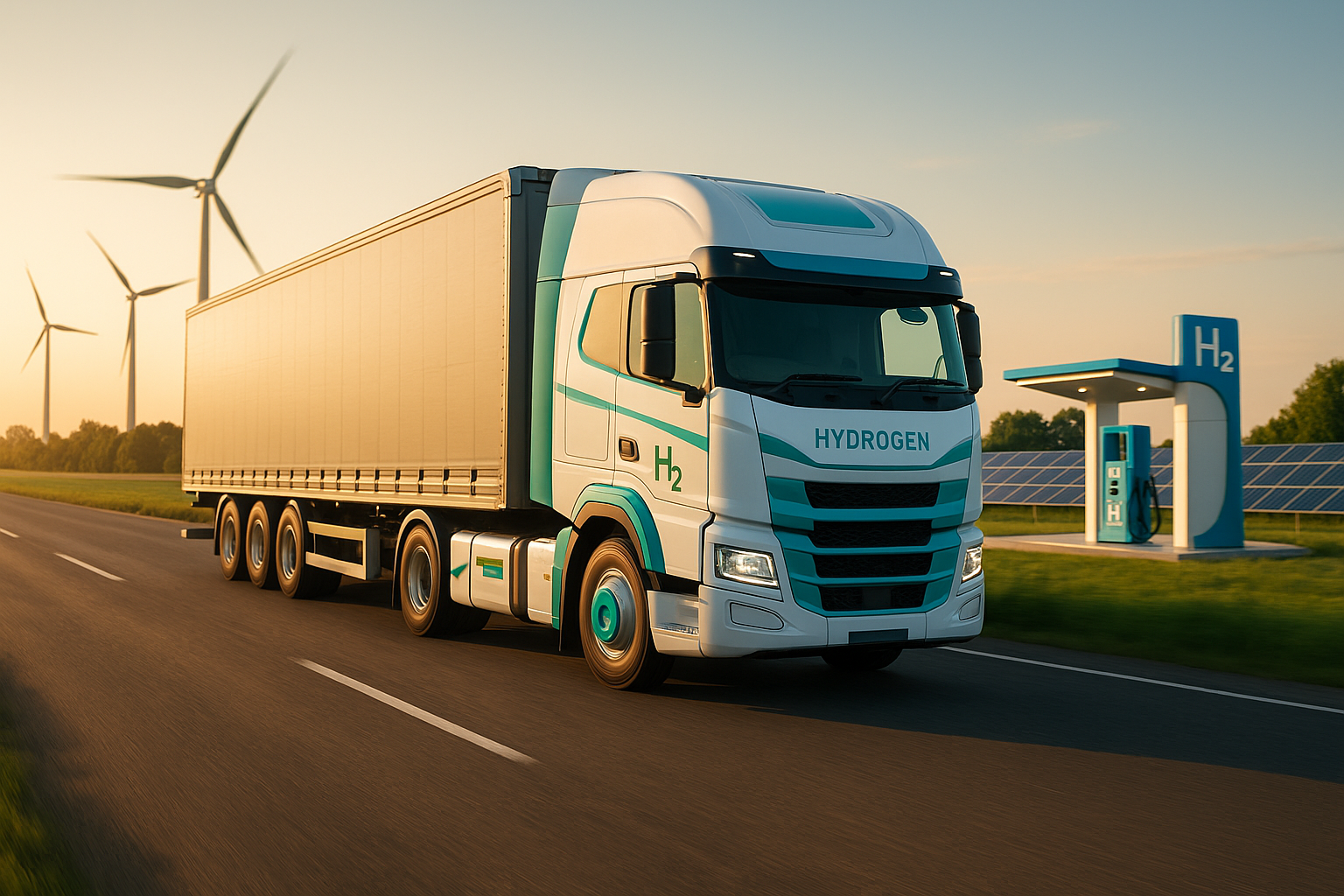
Hydrogen is emerging as the next frontier, especially for long haul freight where payload and range are critical. Two main technologies are developing:
- Fuel Cell Electric Vehicles (FCEVs) that convert hydrogen into electricity to power motors
- Hydrogen Internal Combustion Engines (H₂-ICE) that burn hydrogen in modified diesel engines with no CO₂ output
Pure Hydrogen and HDrive have partnered to deploy Australia’s first 70-tonne FCEV prime movers, with early trials involving Toll Group in Victoria. Refuelling takes about 15 minutes and gives up to 800 kilometres of range.
Governments in NSW and Victoria are funding hydrogen hubs at Gladstone, Port Kembla, and Geelong to support these fleets. Hydrogen’s success will depend on how quickly infrastructure and green production can scale, but for long haul refrigerated freight it already looks promising.
4. Alternate Fuels: The Transition Path
Not every operator can jump straight to electric or hydrogen vehicles. That’s where renewable diesel, biodiesel, and natural gas provide realistic transition options.
- Renewable diesel (hydrotreated vegetable oil, or HVO) can cut lifecycle emissions by up to 90% without major engine changes.
- Bio-LNG and CNG fleets are returning as gas supply and pricing stabilise.
- BP and Ampol are running renewable fuel trials for heavy transport customers.
These fuels deliver measurable carbon reductions using existing fleet assets, helping operators make progress while zero-emission technology matures.
5. Efficiency- Digital and Operational: The Hidden Carbon Saver
Technology can deliver immediate emission reductions without buying a single new truck. Smarter route optimisation, predictive maintenance, and driver behaviour analytics can deliver 5 to 15 per cent fuel and emission savings right away.
- Dynamic backloading reduces empty kilometres.
- Load consolidation in LTL cold chain runs cuts trips per tonne moved.
- Shared and partner distribution models can combine goods and provide multiple companies improvements in economics and carbon emissions.
- AI-based temperature control reduces compressor run time in refrigerated trailers.
For many companies, this visibility is transforming how contractors are managed and assessed. At JPS Consulting & Advisory, we often help integrate these analytics into KPI frameworks so that sustainability aligns directly with operational efficiency.
6. Collaboration and Policy Support
No single company can decarbonise road freight alone. The future depends on collaboration and policy alignment.
Programs such as the NSW Net Zero Freight Partnerships, the HVIA Innovation Agenda, and NHVR Chain of Responsibility reforms are all setting the stage for cleaner and safer networks. Shared charging depots, intermodal decarbonisation, and OEM-operator partnerships are also gaining momentum.
7. The Road Ahead
There isn’t one perfect solution for every operation. The best results come from combining multiple approaches to suit each route and customer.
- Battery electric trucks will dominate short haul and metro delivery.
- Hydrogen trucks will handle interstate and heavy refrigerated freight.
- Renewable fuels and digital optimisation will fill the middle ground.
Operators who move early will enjoy lower running costs and stronger ESG credentials that attract and retain major clients.
Partnering for the Transition
At JPS Consulting & Advisory we work with both shippers and carriers to design practical, data-driven roadmaps for low carbon operations. Our team combines supply chain analysis, fleet planning, and technology assessment to help clients transition with confidence. We also have access to the technology providers and can act on your behalf to secure the best deal.
If your business is ready to start reducing transport emissions without affecting service or cost, we can help you plan the next step.
Contact us for a consultation
Explore our services
References
- Clean Energy Finance Corporation (2024). Decarbonising Transport.
- ARENA Future Fuels Program.
- Volvo Trucks Australia (2024). Electric Truck Range and Operating Costs.
- Janus Electric (2025). Charge & Change Network.
- Pure Hydrogen (2024). Toll Hydrogen Truck Trials.
- CSIRO (2024). Decarbonisation Pathways for Australian Freight.
- HVIA (2025). Innovation Agenda.